Review: CEE Swiss Business Forum 2026
The Potential of an underestimated Region!
Review
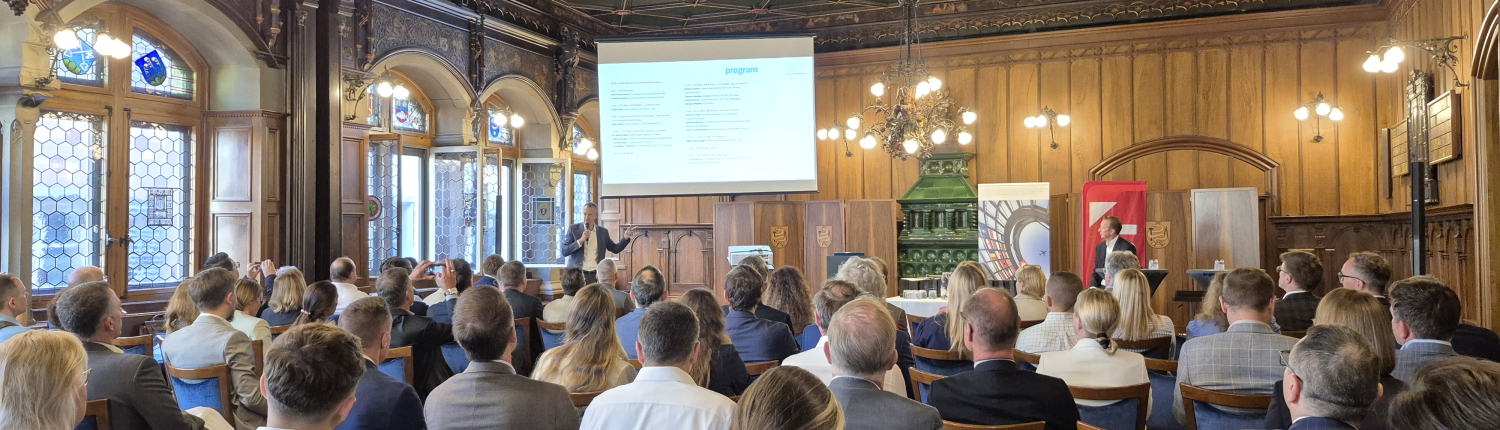
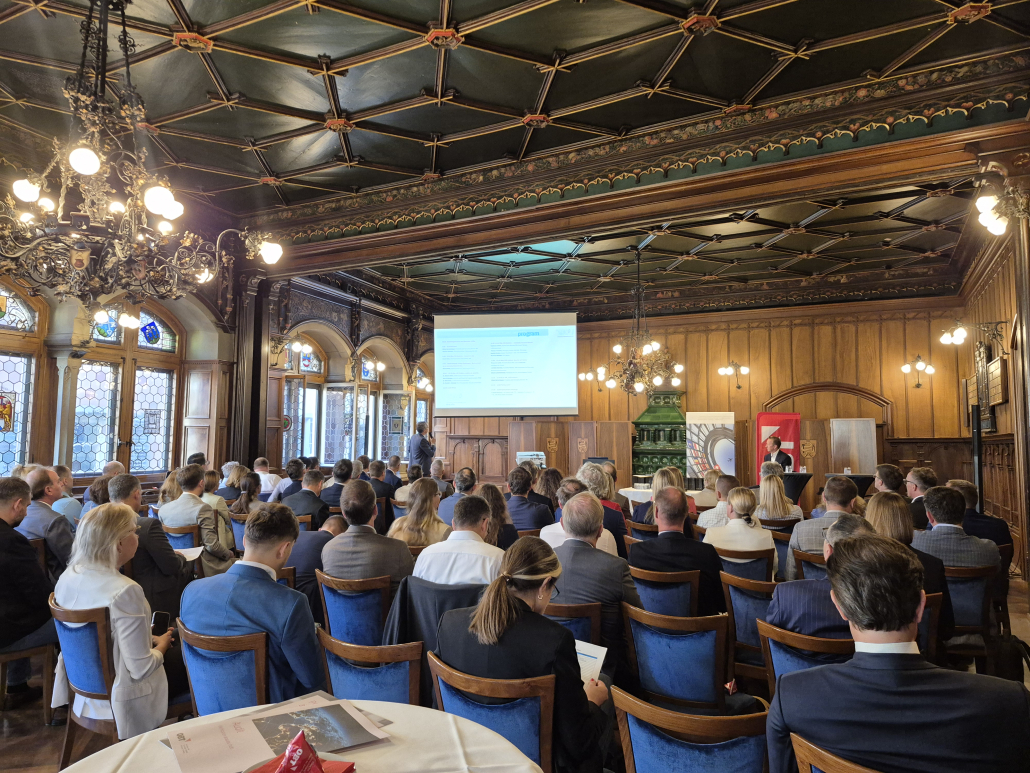
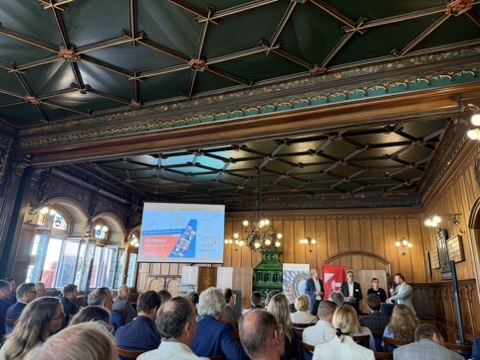
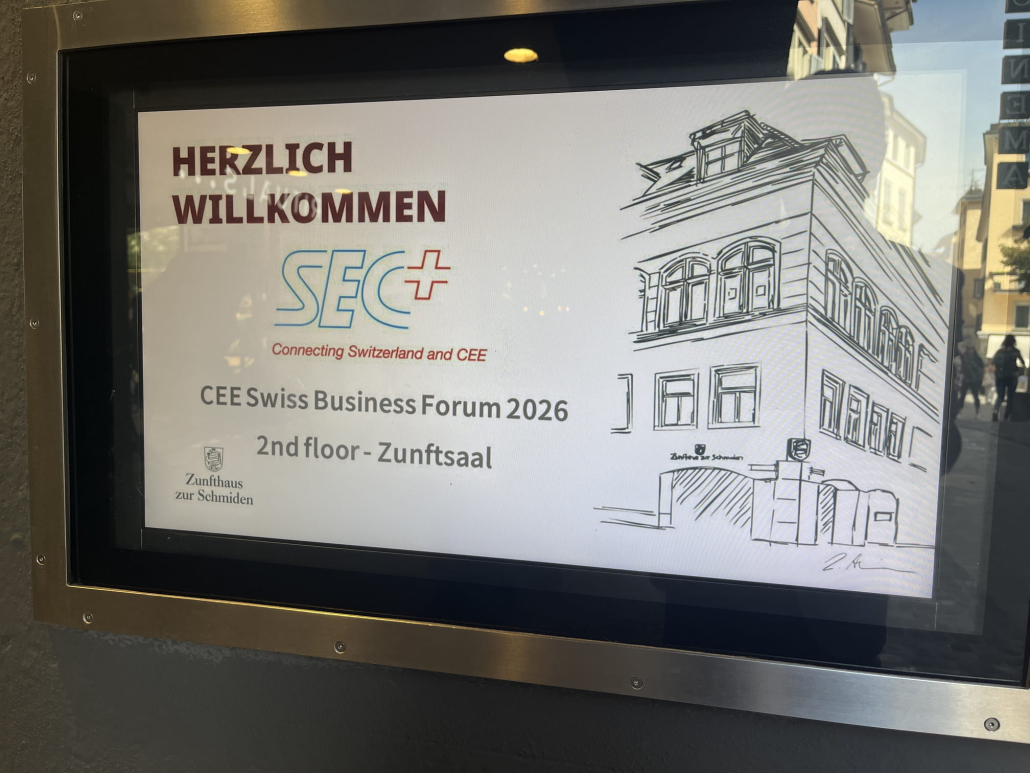
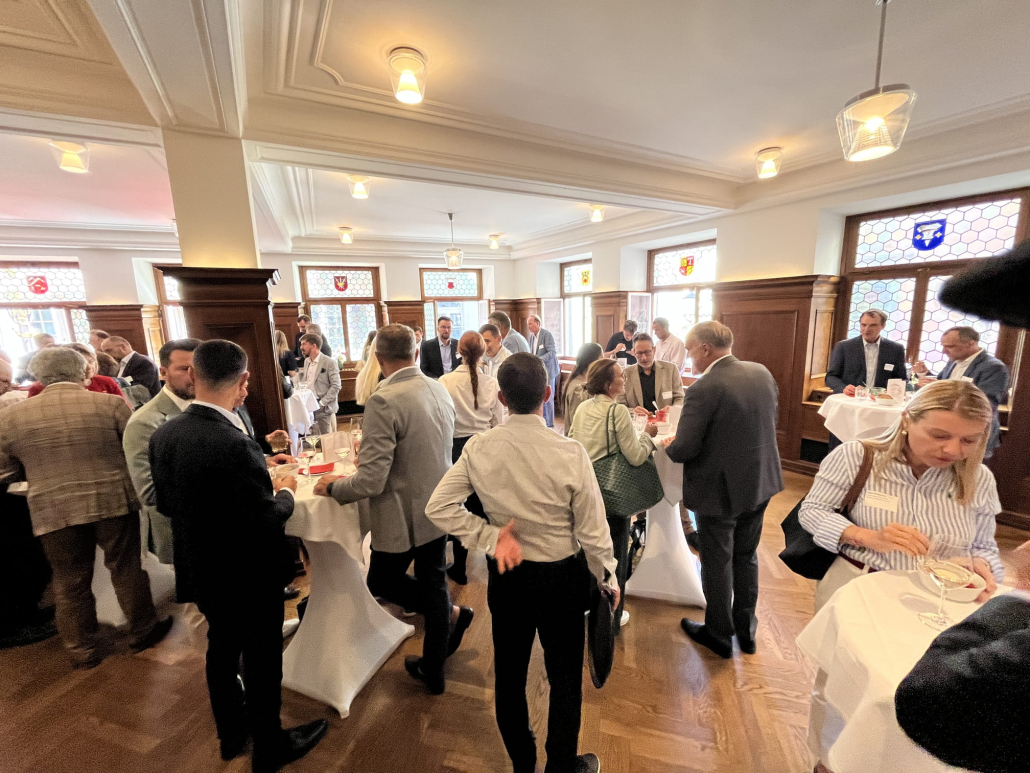
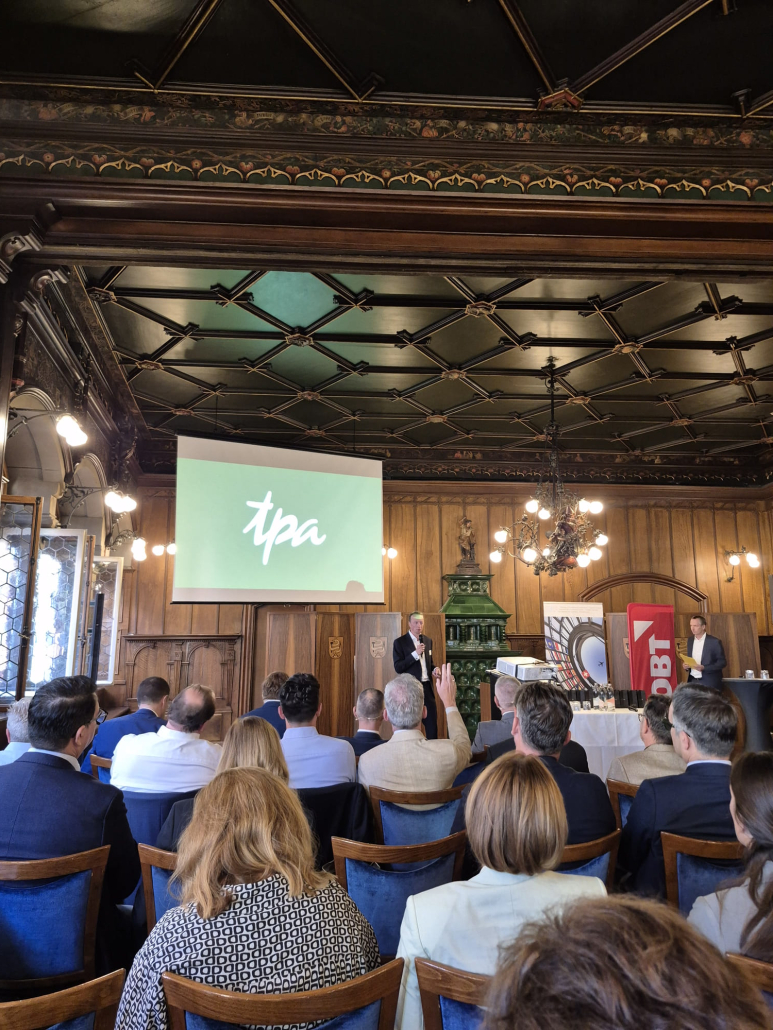
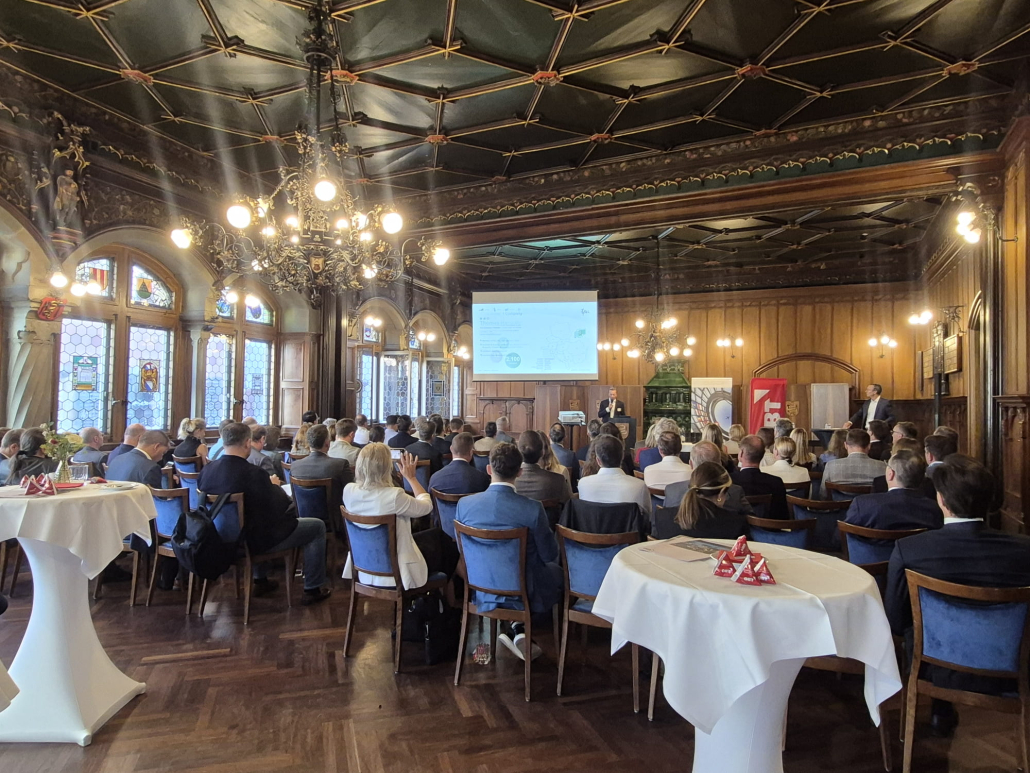
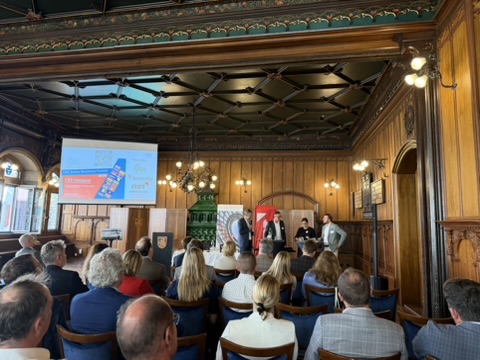
On 3 September 2026, the CEE Swiss Business Forum 2026 brought together business leaders, SMEs, diplomatic and institutional representatives, chambers of commerce, and other members of the Swiss–CEE community at the Zunfthaus zur Schmiden in Zurich. The central question was why Central and Eastern Europe is becoming increasingly important for Switzerland from an economic, political, security, scientific, and societal perspective.
Growth, Resilience and a Changing World Order
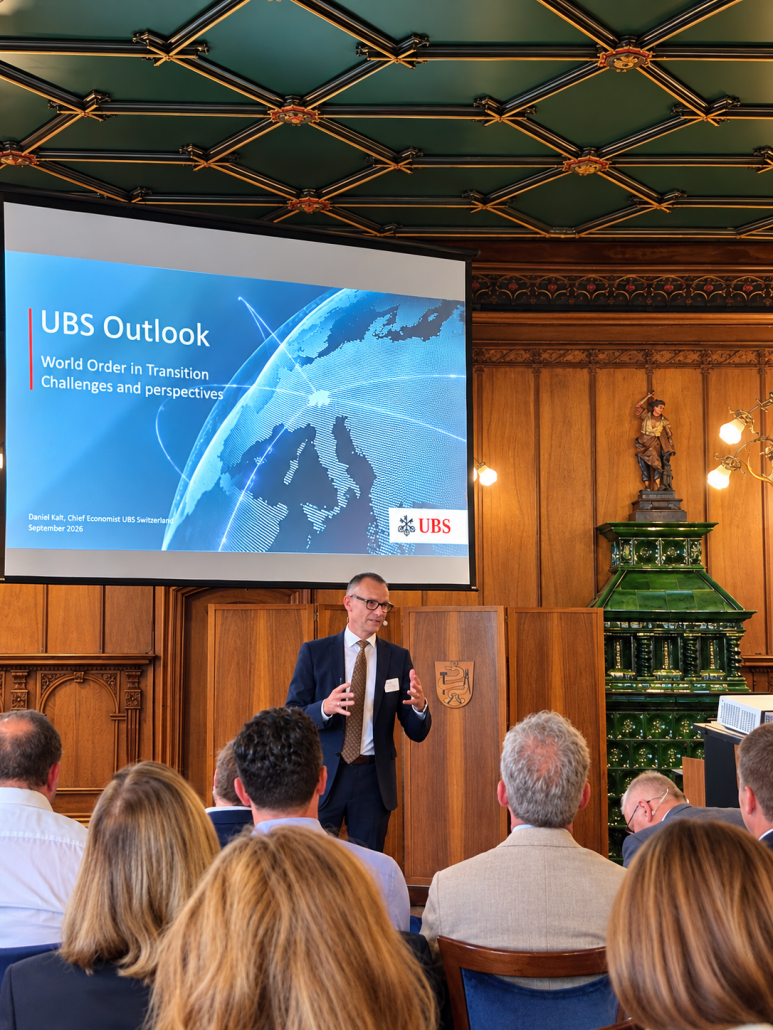
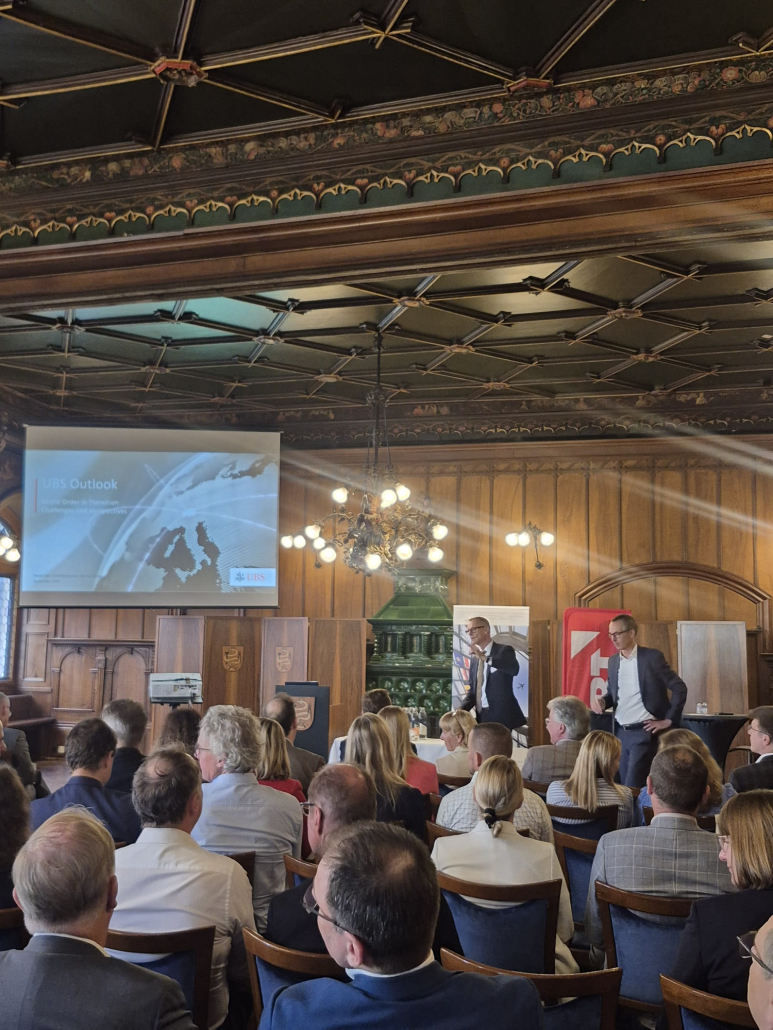
Daniel Kalt, Chief Economist Switzerland at UBS, placed current economic developments into a global context shaped by geopolitical tensions, energy price risks, and structural transformation. At the same time, his analysis showed that the global economy has proven more resilient to energy-related shocks than many had anticipated. Central and Eastern Europe continues to achieve higher growth rates than Western Europe and is also gaining importance in capital markets.
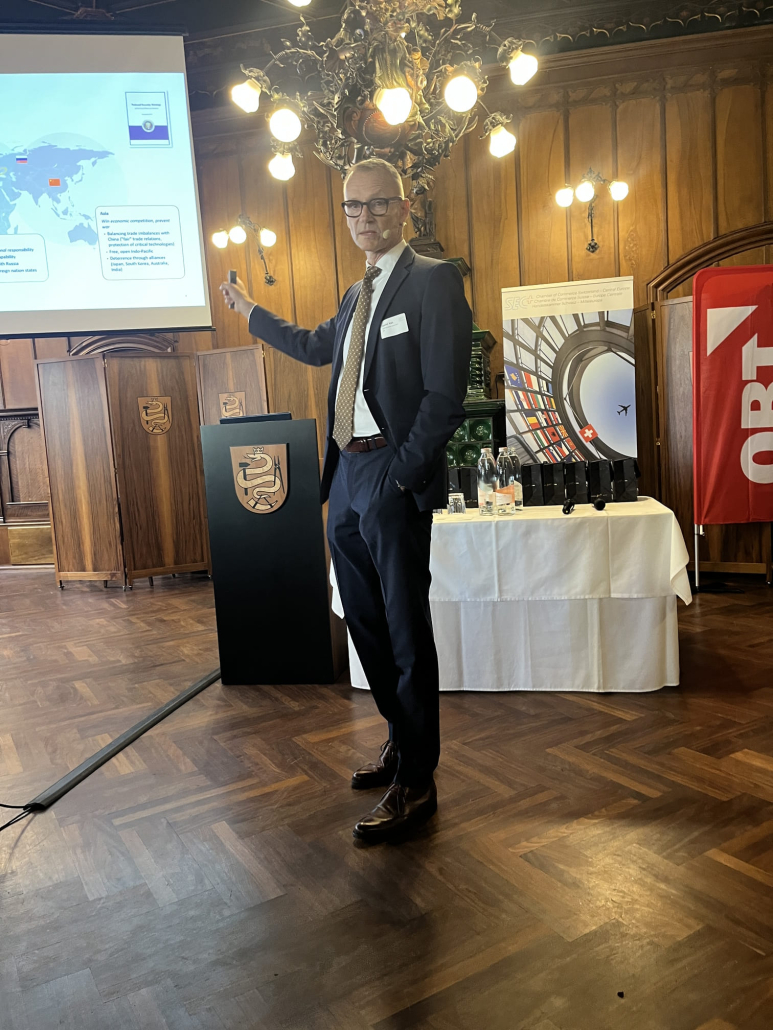
Alain Vuitel focused on the security challenges of an increasingly fragmented and multipolar world order. He highlighted the importance of defence capabilities, the protection of critical infrastructure, and a comprehensive understanding of security that includes the armed forces, business, public institutions, and society as a whole.
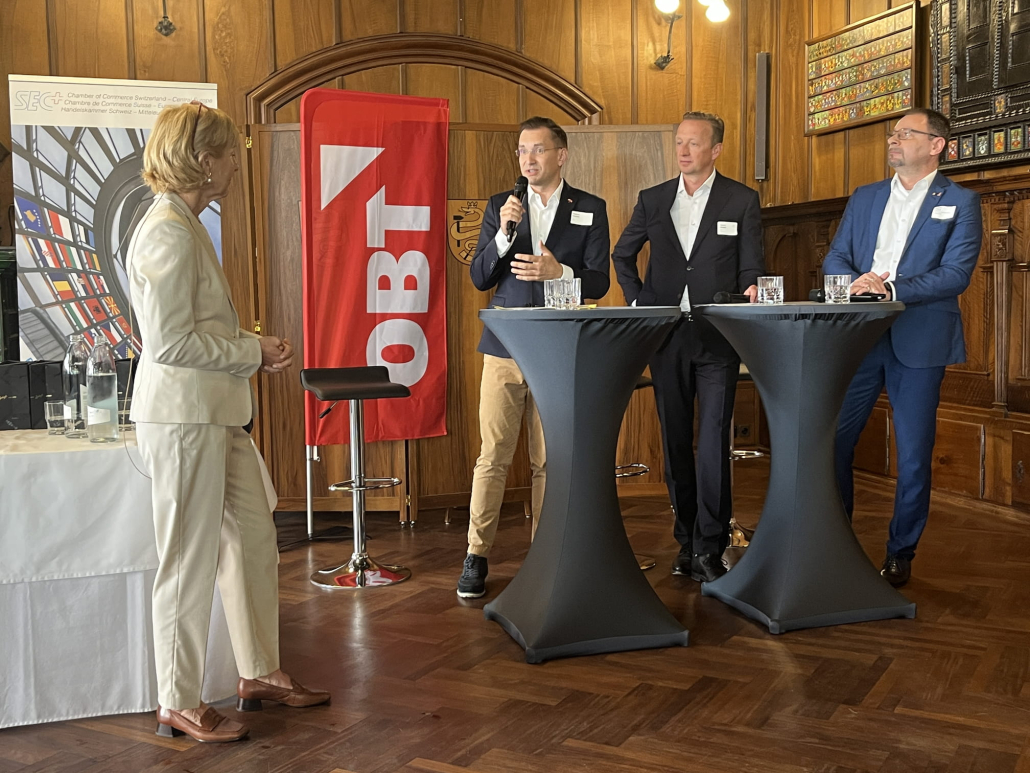
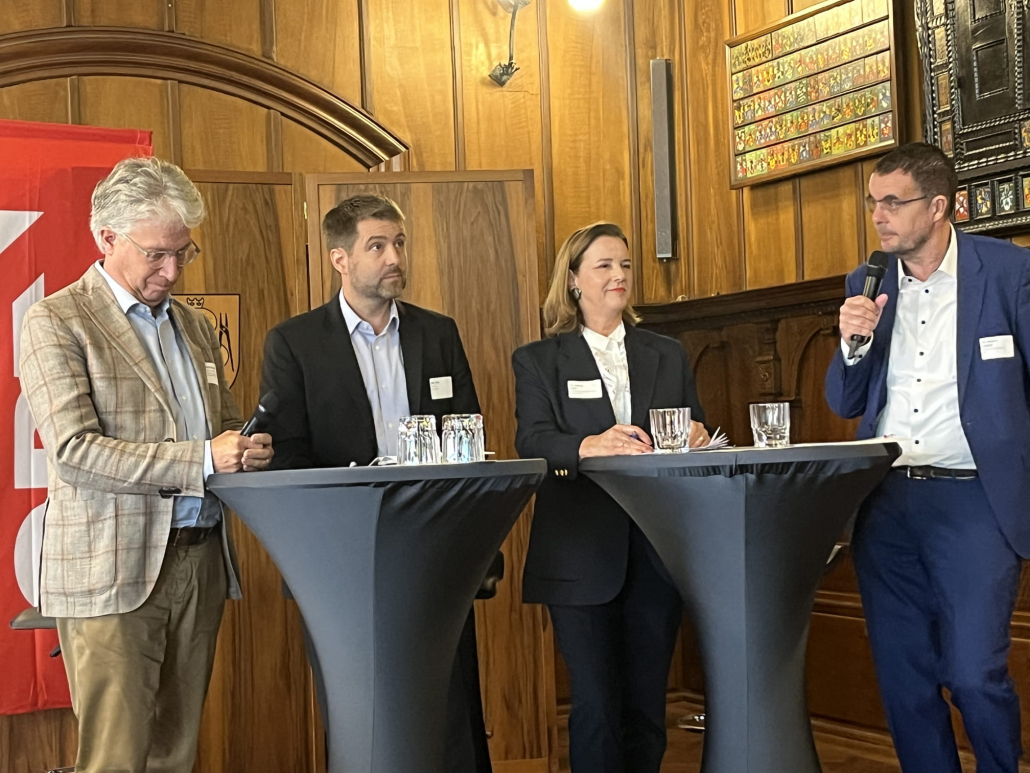
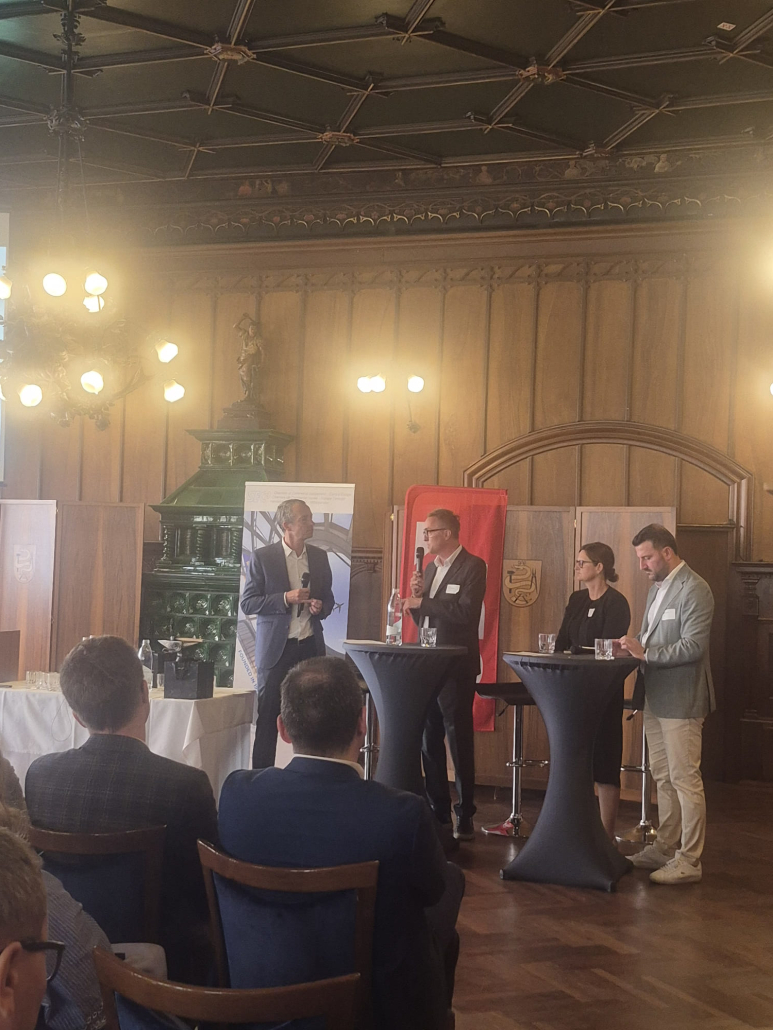
The three panel discussions explored these themes in greater depth. The panel on politics and security demonstrated how Central and Eastern Europe has moved from the geopolitical periphery to the strategic centre of Europe. Poland, in particular, plays a key role in strengthening Europe’s defence capabilities. At the same time, the countries of the region are important political partners for Switzerland, as many smaller and medium-sized nations share similar interests, challenges, and perspectives.
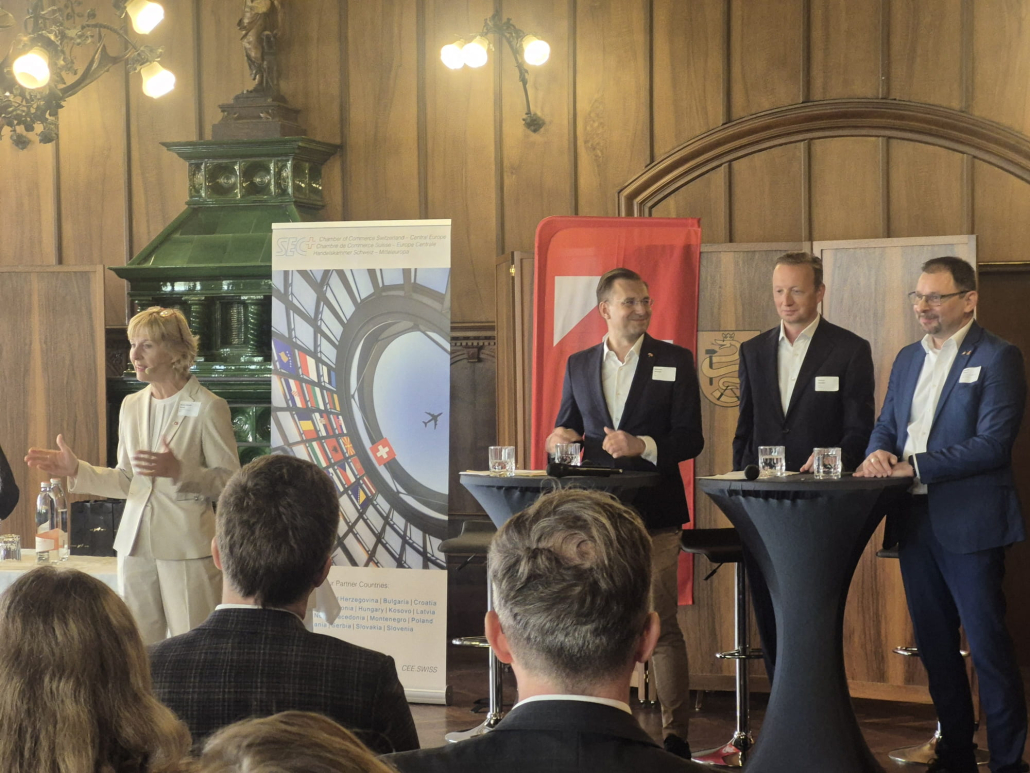
The economic success stories panel highlighted Central and Eastern Europe as a growth region operating increasingly on equal footing with Western Europe. Economic impulses no longer flow only from West to East, but increasingly in both directions. The development of the Lufthansa Group in the region served as a practical example of this evolution.
Societal and Scientific Connections
The large CEE diaspora communities in Switzerland form important bridges between Switzerland and their countries of origin. In particular, younger generations are increasingly self-confident, ambitious, and active, taking on responsibility in business, politics, science, and society. This personal and institutional connectivity creates additional momentum for cooperation, innovation, and mutual understanding.
At the same time, the region possesses significant scientific expertise, talent, and innovation potential that is still not fully recognised in Switzerland. The Forum demonstrated that relations with Central and Eastern Europe extend far beyond trade and investment.
A Main Partner with Its Own CEE Success Story
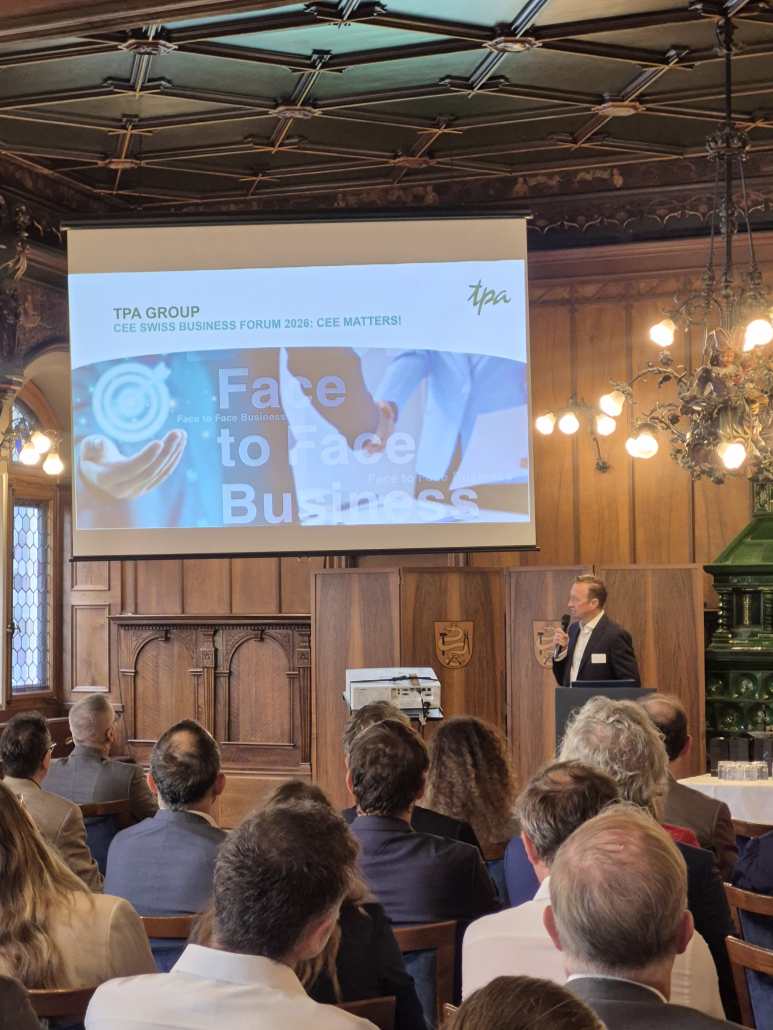
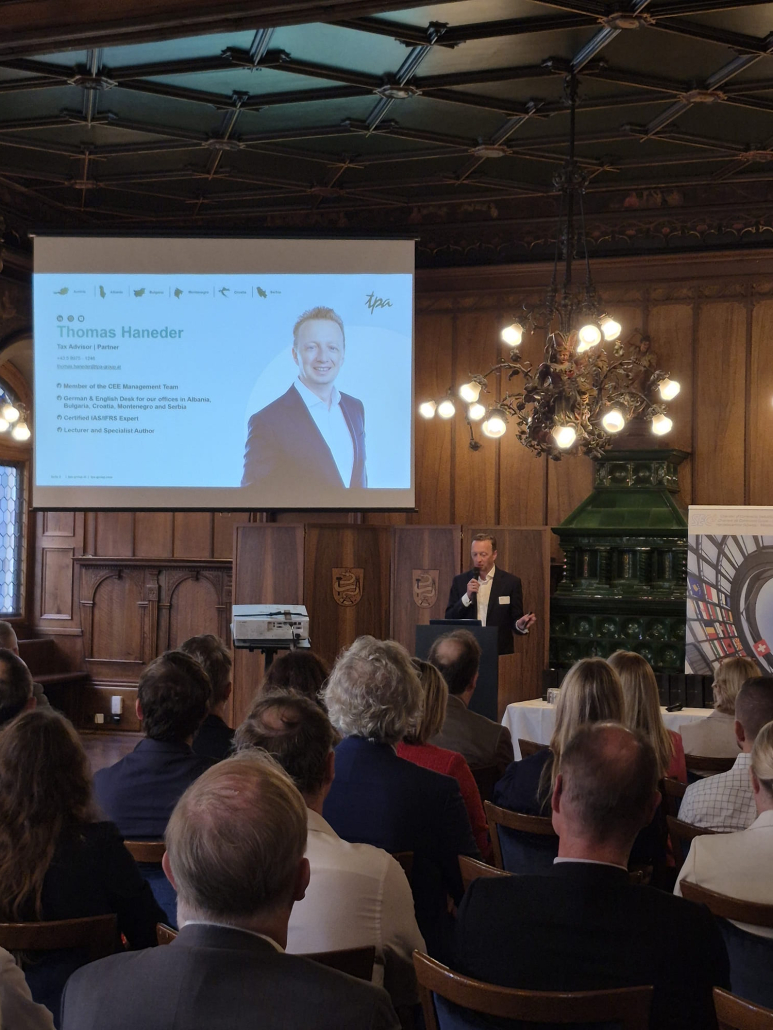
As Main Partner, the TPA Group contributed not only deep market expertise but also its own compelling CEE success story. Thomas Haneder illustrated how the Austrian-origin firm established itself in Central and Eastern Europe at an early stage and, together with the international Baker Tilly network, developed into a strong cross-border player.
This example highlighted the importance of long-term commitment, local presence, and international networks for sustainable success across the region.
Launch of the “CEE Matters!” Initiative
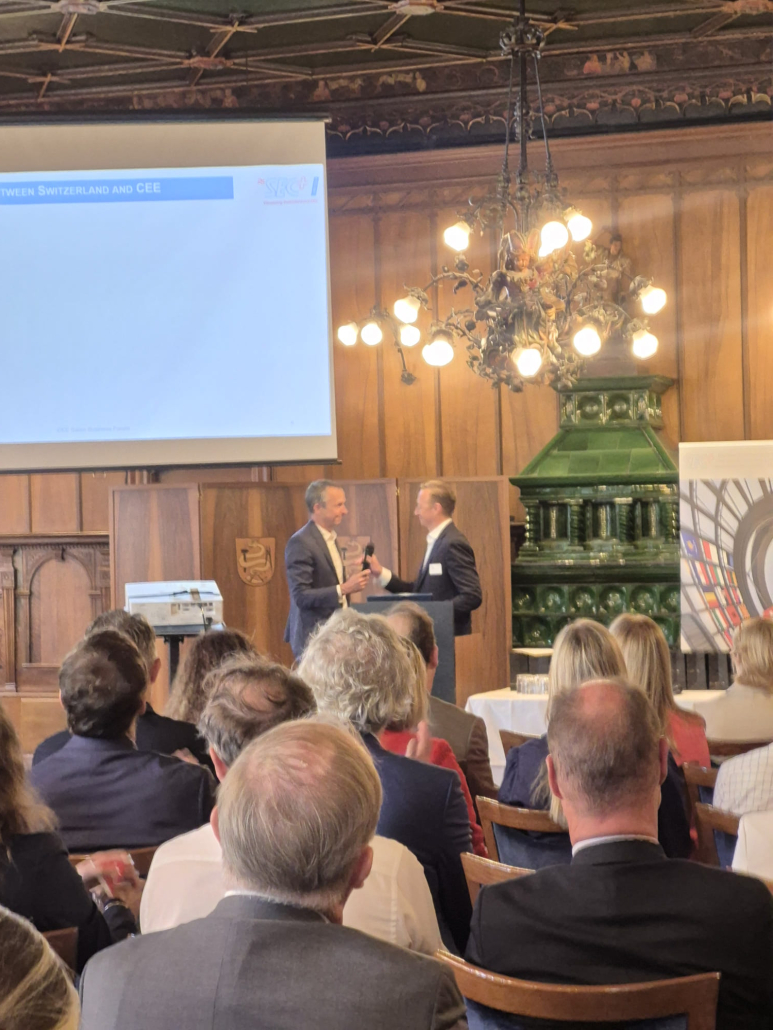
To conclude the Forum, Oliver Bertschinger officially launched the three-year initiative “CEE Matters!”. Its objective is to close a significant perception gap: the importance of the 17 CEE countries for Switzerland continues to be underestimated, economically, politically, from a security perspective, scientifically, and socially.
Companies, institutions, and committed individuals are invited to contribute to the initiative as supporters, ambassadors, advisory board members, or partners.
With the CEE Swiss Business Forum 2026, a platform has been created to further develop these discussions and connections. The SEC will continue to foster dialogue, facilitate meaningful cooperation, and strengthen the voice of the Swiss–CEE community in Switzerland through “CEE Matters!”.
Call for Participation
CEE Matters! aims to raise awareness of the economic, political, security-related, scientific, and societal importance of the CEE region in Switzerland.
Companies, institutions, and individuals who would like to support or actively contribute to this initiative are warmly invited to contact us at [email protected].
Key Takeaways
- CEE is economically relevant: Trade relations between Switzerland and the CEE countries have reached a level that deserves strategic attention.
- CEE is growing faster than many Western European markets: The region remains one of Europe’s key growth areas. At the same time, economic relationships no longer flow only from West to East, but increasingly in both directions and on an equal footing.
- Security and business are closely interconnected: Energy, IT, critical infrastructure, defence capabilities, and societal resilience are increasingly linked and must be considered together.
- The strategic importance of CEE has grown significantly: This is reflected, among other factors, in the leading role of Poland and the Baltic states in strengthening Europe’s security and defence capabilities.
- CEE Matters! closes a perception gap: The initiative highlights why Central and Eastern Europe matters to Switzerland today and will matter even more in the future. It brings together like-minded companies, institutions, and individuals who share this conviction and want to help unlock the region’s full potential.
Impressionen

Event-Partner